Freight Waves by Seabreeze – Trends and insights shaping logistics
Warning as production of dry ice for cool chains is on a slow melt

Dry ice production, a critical component of global cool chain logistics, is gradually slowing due to tightening CO₂ supply linked to reduced output at ethanol and ammonia plants. This trend is raising concerns for the transport of perishables, pharmaceuticals and vaccines, all of which rely heavily on dry ice for temperature control. Industry experts warn that continued constraints could lead to supply shortages, higher costs and increased pressure on cold-chain capacity as demand for temperature-sensitive shipments continues to grow.
New Asia-Europe peak season underway as ocean spots stay strong
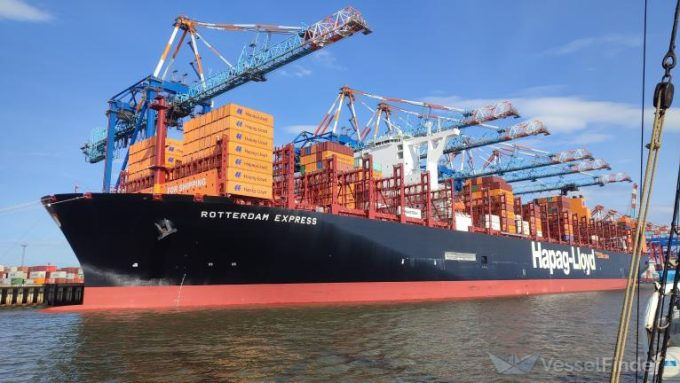
The Asia–Europe ocean freight market is heading into a new peak season with spot rates remaining firm despite the usual festive lull, as shippers prepare for the January surge ahead of the Chinese New Year. Carriers have been reporting elevated container spot pricing and strong bookings on key Europe-bound trades, signalling robust seasonal demand and tight capacity management. This strength has helped sustain higher freight levels even as other trade lanes show softer activity, and shippers are being urged to secure space early to avoid shortages. The developing peak season reflects continued focus on Europe-Asia supply chains amid ongoing capacity discipline by carriers.
CBP looks to extend CTPAT accreditation to US forwarders and 3PLs

U.S. Customs and Border Protection is planning to extend its CTPAT security accreditation to include U.S. freight forwarders and 3PLs through a pilot programme. The move aims to strengthen supply-chain security while offering certified providers benefits such as reduced inspections and faster cargo clearance. If successful, the initiative could broaden CTPAT participation across the logistics sector.
Zambia sounds alarm over Africa’s persistent air cargo imbalance
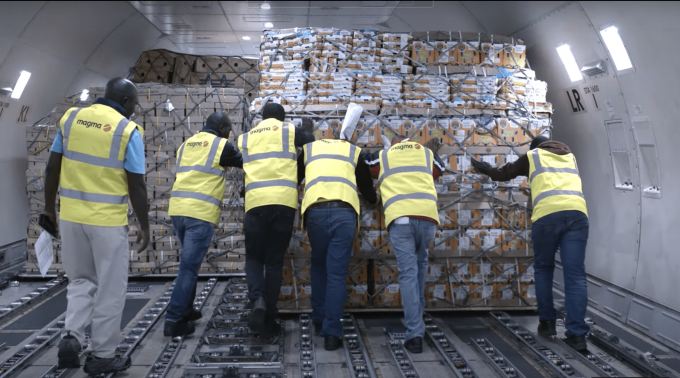
Zambia has warned that Africa continues to face a major air-cargo imbalance, with inbound volumes far outweighing outbound exports. Despite investments in cargo infrastructure, low export flows and limited high value goods mean aircraft often leave underutilised. Addressing the issue will require stronger export development and better integration into global air freight networks.


